Ground Voltage Effects on UPS Reliability at a Petroleum Refinery
August 19, 2024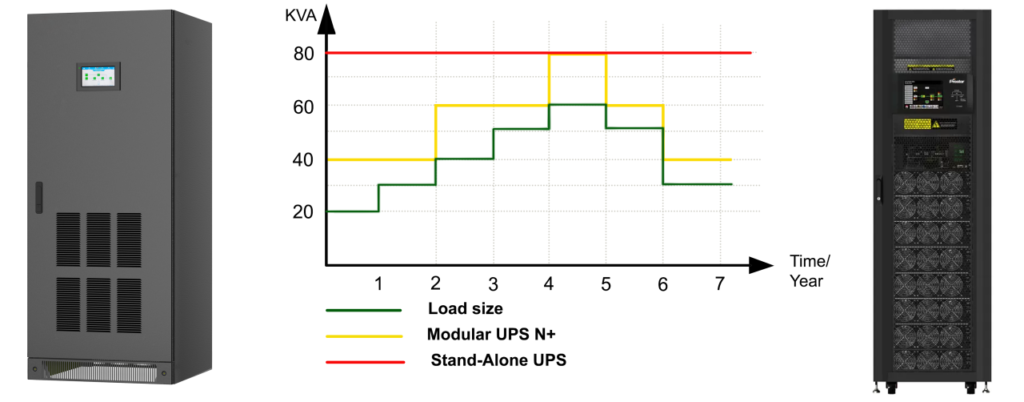
In data centers, ensuring a reliable and efficient power supply is vital for smooth operations and the protection of critical data. ups power supply systems are essential in this regard, providing backup power during outages and ensuring continuous operation. When choosing a UPS system for a data center, administrators typically face a decision between modular UPS systems and conventional UPS systems. Each type offers distinct advantages and challenges, and understanding these differences is key to selecting the right solution for a data center’s needs.
Conventional UPS Systems: An Overview
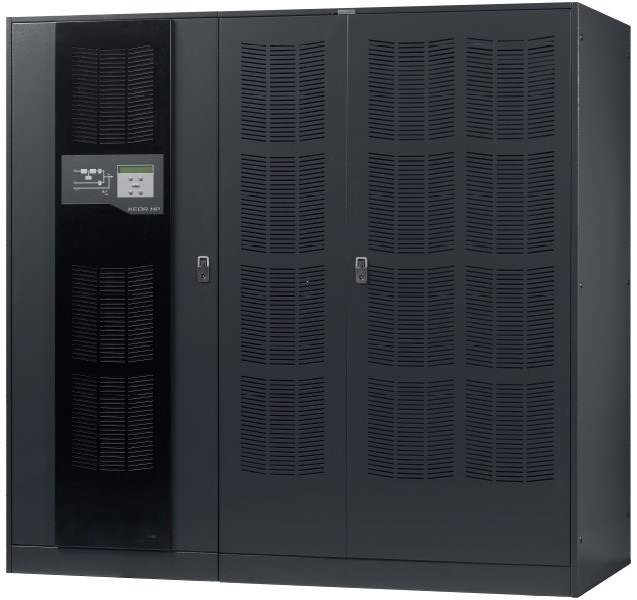
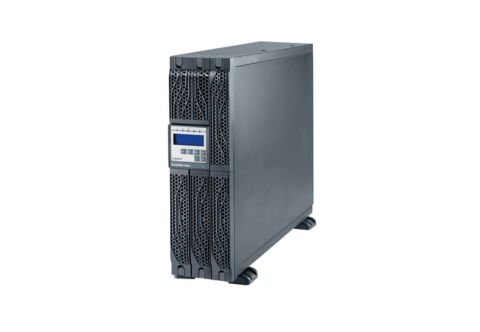
Traditional UPS systems have been the norm in data centers for many years. These systems are typically built as single, large units that provide power backup and conditioning. They come in various capacities and configurations, ranging from small units suitable for office environments to large systems designed for industrial-scale applications.
Advantages of Conventional UPS Systems
- Established Technology: Conventional UPS systems have a proven history of reliability and effective performance. Their technology is well-established, and many data centers have successfully relied on them for years.
- Cost Efficiency: For data centers with stable, predictable load requirements, conventional UPS systems can be cost-effective. They are generally less expensive upfront compared to modular systems, making them a budget-friendly option for certain applications.
- Simplicity: The design and operation of conventional UPS systems are straightforward. With fewer components and less complexity compared to modular systems, they can be easier to understand and manage.
Disadvantages of Conventional UPS Systems
- Scalability Issues: One of the significant drawbacks of conventional UPS systems is their lack of scalability. To accommodate increased loads, a new, larger UPS system must be purchased and installed, which can be costly and disruptive.
- Redundancy Challenges: Achieving redundancy with conventional UPS systems can be complex and expensive. Implementing N+1 or other redundancy configurations often requires additional units, which can increase both capital and operational costs.
- Maintenance Constraints: Maintenance and upgrades can be more challenging with conventional UPS systems. Since the entire system is typically integrated into a single unit, servicing or replacing components may require system downtime or complete replacement of the UPS.
Modular UPS Systems: An Overview
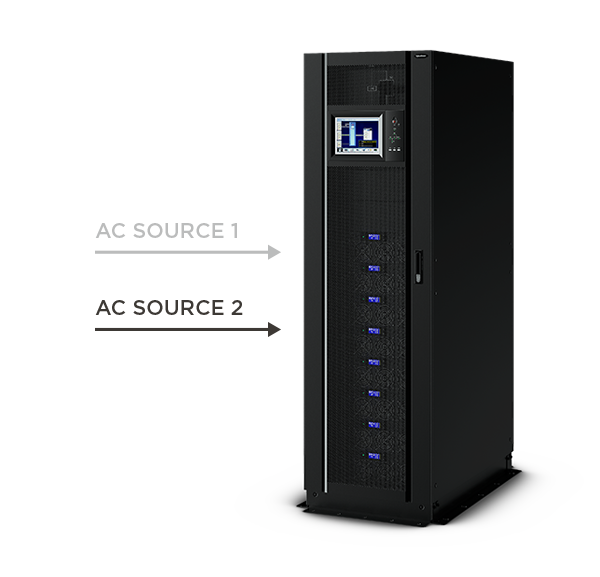
Modular UPS systems are a more recent development in power protection technology. These systems are designed with modular components that can be added or removed as needed, providing a flexible and scalable solution for data centers.
Advantages of Modular UPS Systems
- Scalability: A major advantage of modular UPS systems is their ability to scale easily. Data centers can start with a base configuration and add additional modules as their power requirements grow. This approach enables gradual investment and helps mitigate the risk of over-provisioning.
- Improved Redundancy: Modular UPS systems feature built-in redundancy and fault tolerance capabilities. Should one module fail, the other modules will continue supplying power, keeping the data center operational. This design improves the overall reliability of the system and minimizes the likelihood of downtime.
- Flexibility and Adaptability: The modular approach provides flexibility in managing data center power needs. As technology and load requirements evolve, data centers can easily adapt their UPS systems by adding or removing modules to match changing demands.
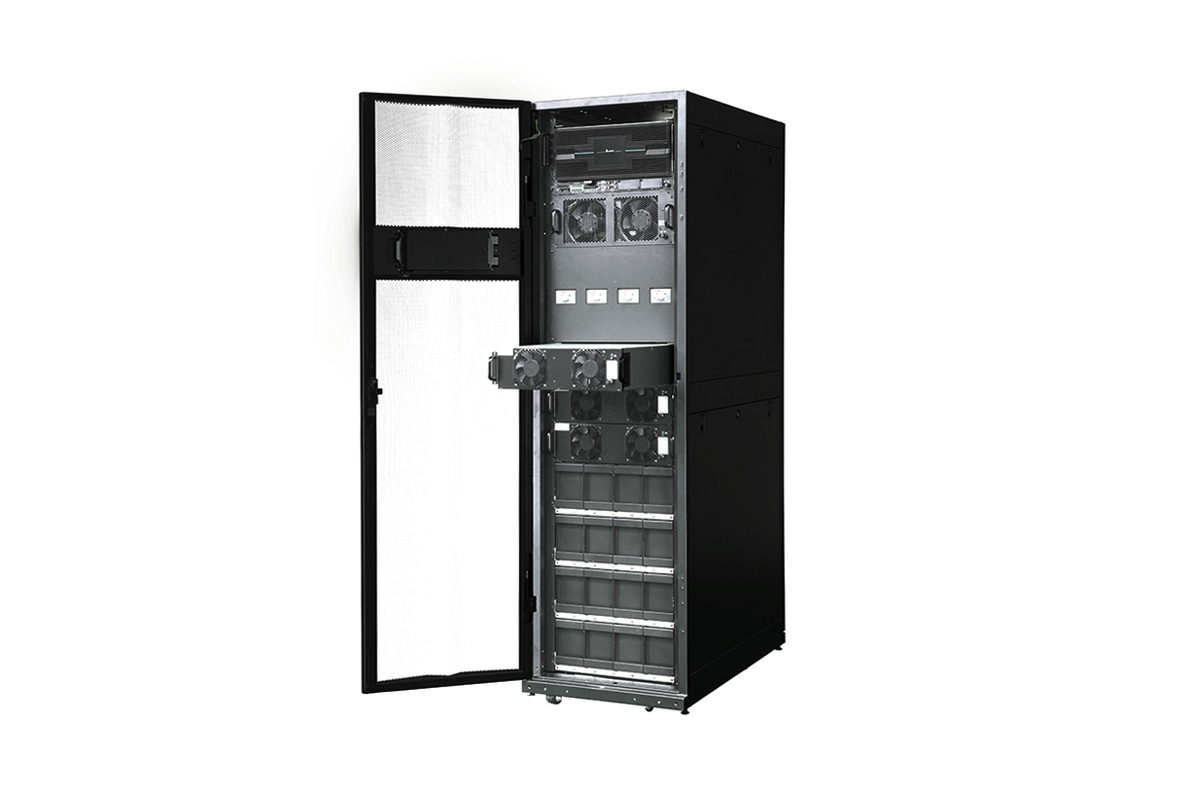
- Improved Maintenance: Modular UPS systems allow for easier maintenance and upgrades. Each module can be serviced or replaced independently, allowing the rest of the system to remain online. This approach minimizes downtime and ensures continuous operation.
Disadvantages of Modular UPS Systems
- Higher Initial Costs: Modular UPS systems often come with higher upfront costs compared to conventional systems. The modular components and advanced features can lead to a more significant initial investment, which may be a concern for budget-conscious data centers.
- Complexity: The modular design can introduce additional complexity in terms of configuration and management. Data center operators need to ensure that modules are correctly integrated and balanced, which may require specialized knowledge and training.
- Space Considerations: While modular UPS systems offer flexibility, they may require more physical space for the modules compared to traditional, single-unit systems. Data centers need to account for this space requirement when planning their infrastructure.
Comparing the Two: Which is Right for Your Data Center?
When selecting a UPS system for a data center, whether modular or conventional, several factors should be taken into account:
- Load Requirements: For data centers with rapidly changing or growing power needs, modular UPS systems provide the scalability required to meet future demands. Traditional UPS systems are more suitable for environments with consistent and predictable loads.
- Budget Constraints: If initial cost is a significant concern, conventional UPS systems may be more attractive. However, the long-term benefits of modular systems, such as improved scalability and reduced downtime, might justify the higher upfront investment.
- Operational Continuity: For data centers where uninterrupted operation is critical, the redundancy and flexibility offered by modular UPS systems can provide a higher level of reliability and resilience.
- Maintenance and Management: Consider the level of maintenance and management that your data center can handle. Modular systems offer easier maintenance and upgrades, which can be a significant advantage for facilities with limited maintenance windows.
Modular and conventional UPS systems offer different sets of benefits and limitations. Conventional UPS systems provide reliability and cost-effectiveness for stable environments, while modular UPS systems, offered by a leading energy solutions company , deliver flexibility, scalability, and enhanced redundancy for dynamic and growing data centers. By carefully evaluating your data center’s power requirements, budget, and operational needs, you can select the UPS system that best aligns with your goals, ensuring reliable power protection and operational continuity.
